Research - Bioacoustics
Bioacoustic Study of Bat Populations
This page supports the bioacoustics research projects I am offering students through an Independent Research course (MATH 490) in Spring 2026.
An enrolled CI student can take this course for a variable amount of credits (1-3) and the course expectations will reflect their choice.
There is no specific eligibility criteria for students, though the preferred student will have some mathematical and statistical familiarity and/or some knowledge of the natural history of North American bat species.
All project will likely require a student to have access to a computer which allows them to install specialized software. If a student does not have a personal computer to use, they should check one out from the library for use all semester.
All software employed in the project will either be free and open source. If we use any licensed software, we will strictly follow all terms and conditions of licenses we purchase.
Objective
Organize and analyze recordings of bat search phase echolocation calls using the Analook application and Matlab.
Expectations and Outcomes
The team will meet with Dr. Miller weekly, with 50 minutes per MATH 490 credit hour the average time per week. Outside of team meeting, research students will be expected to work 3 hours per week per credit hour on the project.
All students will be expected to do the following:
- work with data on a personal computer with Analook installed
- public presentation (formal) on project, project goals, preliminary results (campus Student Research Conference, CSU Research Competition, SCCUR Fqll 2026, MicroExpo Fall 2026, or other venue)
- detailed written project report for final exam
- keep work log for work on project to record ideas, tasks completed, challenges, etc. The log is property of Dr. Miller at end of the course
- attends project meetings and large group meetings
- completes work in a timely manner
- understands risks and responsibilities associated with project
In addition, depending on the number of credits taken, students will choose two or more of the following project tasks to support and complete before the end of the semester:
- learn to input and output zero-crossing data in Analook
- learn how to move zero-crossing data between Analook and Matlab
- learn how to clean search phase echolocation calls in Analook
- learn how to consistently clean zero-crossing recordings
- learn how zero-corssing and spectrogram recordings are related and the fbenefits and costs of each data type
- be able to creae, train, and use a species identification model in Matlab
There may be opportunities for students to travel off-campus for project related work, and such students must do outdoor work requiring moderate effort.
Activities
To realize the goals and outcomes listed about, students will engage in the following types of activities. Most activities will be available to all students, though some activities will have more limited participation.
- [[to be determined]]
In addition, all students will participate in weekly team meetings where project participants will update one another, share successes and challenges, and share objectives for the coming week. Occasionally, students will share with others written drafts of written reports on their project; feedback they receive will improve their final research report.
Links
- Western Bat Working Group
- California Bat Species
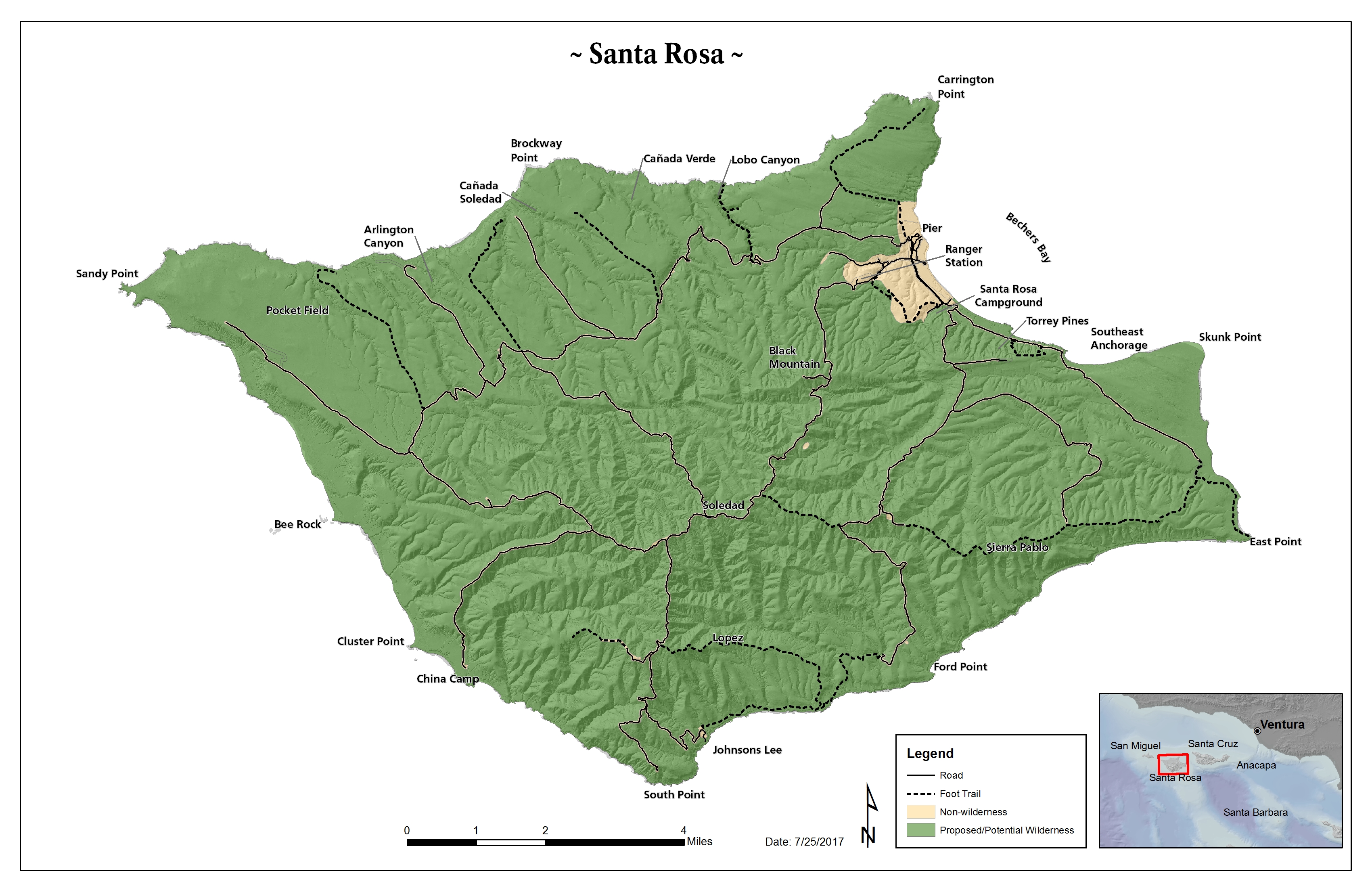
- Island Map
- Channel Islands National Park Wilderness
- Titley Scientific, manufacturers of our bat detectors and the Analook application